

Many animals and insects eat or damage grass, including grubs, armyworms, chinch bugs, voles, mice, rats, rabbits, hares, deer, geese, and ducks. The damage pattern usually reveals the culprit: clipped blades suggest grazing animals, while loose turf or spreading brown patches point to root- or blade-feeding insects.
On your lawn, however, your lawn invaders will likely range from sneaky deer and rabbits to grubs. Thankfully, if you can identify the culprits early and take the right protective measures, you can reclaim your lawn and restore it to a healthy, thriving state.
Let’s explore the most common grass-eating culprits and the steps you can take to stop them.
Key Takeaways
- Many pests and animals eat grass, damaging lawns above and below ground.
- Grubs, armyworms, and chinch bugs are common insect threats to healthy lawns.
- Rabbits, deer, and birds also graze on grass, leaving visible signs and mess.
- Targeted pest control, deterrents, and lawn care can restore lawn health.
Most Common Animals That Eat Grass
Not all lawn damage is caused by the same culprit. From tiny insects under the soil to large mammals grazing above ground, here’s a breakdown of the most common grass-eating offenders and how to recognize the signs they leave behind.
| Culprit | Damage sign | Response |
|---|---|---|
| Grubs | Loose, spongy turf and irregular brown patches | Inspect beneath affected turf and use targeted grub management |
| Armyworms | Brown areas that expand quickly and visible caterpillars | Inspect in early morning or evening and treat affected areas promptly |
| Chinch bugs | Yellow-brown patches that spread despite watering | Reduce thatch and use targeted control where confirmed |
| Voles | Shallow surface runways, droppings, and gnawed blades | Reduce shelter and block access around vulnerable areas |
| Mice | Flattened paths, droppings, and small holes | Remove shelter and food sources and close access points |
| Rats | Worn paths, droppings, and holes near structures | Remove attractants and address access near structures |
| Rabbits | Neatly clipped blades and round droppings | Use physical barriers or appropriate repellents |
| Hares | Clipped grass and browsing damage near plant beds | Use barriers and reduce attractive cover |
| Deer | Broad grazing damage near wooded or rural edges | Use tall fencing or suitable deterrents |
| Geese | Flattened grass, muddy spots, and concentrated droppings | Reduce access to water and use visual or habitat deterrents |
| Ducks | Overgrazed wet areas and droppings near water | Reduce attractants around ponds and protect damaged turf |
Lawn Pests and Insects that Eat Grass
Grubs: These larvae of beetles like June bugs and Japanese beetles feed on grass roots just below the surface, causing patches of dead or dying grass.
Signs of damage by grubs include soft, spongy turf that easily peels back, irregular brown patches, and an increase in birds or raccoons digging for a meal. Grub damage is most visible in late summer and early fall in the Midwest.
Armyworms: These are caterpillar-like pests that march across lawns in large numbers, devouring grass blades in their path, sometimes overnight.
Signs of an armyworm infestation include rapidly expanding brown areas and visible worms in early morning or evening hours. They’re usually most problematic in late summer in the Midwest.
Chinch Bugs: These tiny insects feed on grass by sucking out plant juices and injecting toxins, killing the turf as they go. Telltale signs of chinch bug infestation include dry, yellow-brown patches that spread even with watering, especially during hot, dry weather. Chinch bugs prefer sunny areas with thatch buildup to feed on the plant material.
Rodents and Small Mammals
Voles: Also known as field mice, these rodents love to chew on vegetation and plant roots, often creating surface runways through turf. You can tell you have voles when you notice shallow trails or grooves in your lawn, visible droppings, and gnawed blades near the base.
Mice and Rats: These chew grass for nesting or move through it frequently enough to damage turf in localized spots.
You can tell you have an infestation when you notice flattened or worn paths through your lawn, droppings, and occasional holes near structures or mulch beds.
Rabbits, Hares, and Deer
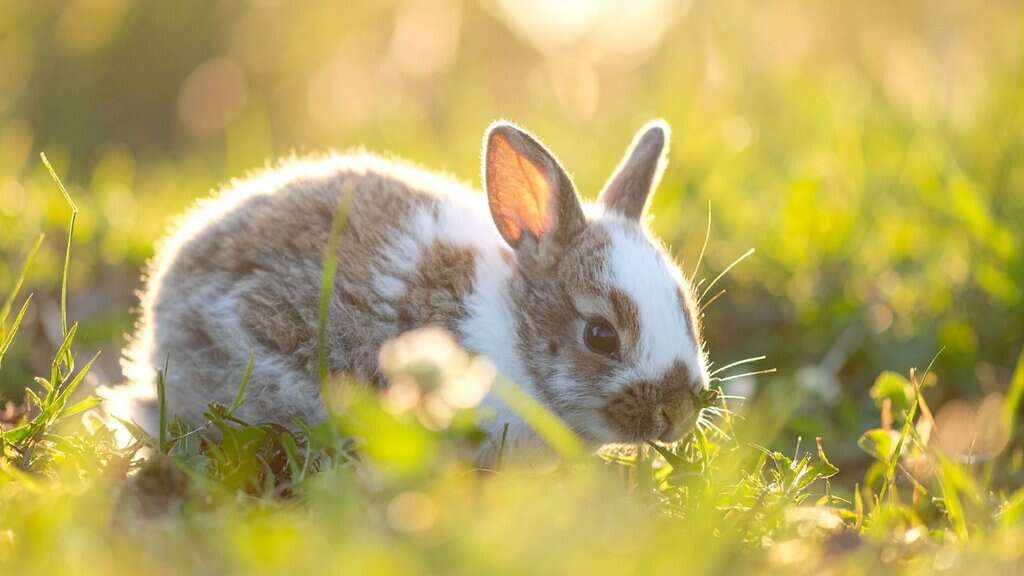
Rabbits are common lawn grazers, especially in spring and summer when grass is fresh and abundant. An infestation typically includes neatly clipped grass blades, round droppings, and nibbling on flower beds or low shrubs nearby.
In more rural or wooded areas, deer can also become regular visitors. And while they may not focus on grass, they will graze on it when other food is scarce.
Geese and Ducks
If you live near ponds or lakes, these birds can occasionally invade your lawn to graze on your grass. In such instances, the birds can leave behind quite a mess, flatten and overgraze in certain areas. They can also leave muddy spots and a lot of droppings.
Why is Something Eating Your Grass?
Before you can fix the problem, it’s important to understand why animals or pests are targeting your lawn in the first place. Here are a few common reasons why your lawn might be attracting some unwanted attention:
1. Grass is a Food Source
Grass makes up a large percentage of the food source for thousands of different animals.
Its young, tender blades are especially appealing to animals like rabbits and deer, while underground pests such as grubs chew away at the roots, causing widespread damage from below.
2. Shelter and Nesting Material
Tall, thick grass can be an ideal hiding spot for small animals like voles and field mice. While some of these animals may not eat the grass itself, they still damage it as they create trails, nests, or burrow systems beneath the surface.
3. Water and Moisture
Lawns with good irrigation systems or standing water can attract insects like mosquitoes and beetles, as well as animals looking for hydration. In damp conditions, worms and grubs thrive, and in turf, they attract other critters who come looking for a meal.
4. Lack of Predators
If your property lacks natural predators like owls, hawks, or neighborhood cats, small mammals and reptiles might feel safe enough to nest and feed freely. A balanced ecosystem can naturally help deter grass-eaters from taking over.
How to Protect Your Lawn
Once you know what’s eating your grass, you can take targeted actions to protect your lawn and restore its health. Here are some of the steps you can take:
Insect Control
This can include several integrated practices to prevent insect and grub infestations, including:
Integrated Pest Management (IPM): Here, you focus on eco-friendly solutions that target pests without harming any beneficial insects. IPM techniques include the use of biological controls, such as introducing beneficial nematodes for grub control, and using selective insecticides when necessary.
Healthy Lawn Practices: This involves the use of healthy lawn practices, such as regular aeration to help improve soil drainage and discourage pest infestations. You can also employ strategies such as overseeding to help thicken your grass, making it harder for pests like chinch bugs and armyworms to take over.
Spot Treatment: If pests are localized in your lawn, you can spot-treat affected areas rather than applying chemicals indiscriminately across your entire lawn.
For help identifying and treating lawn pests, consider professional pest control.
Barriers and Deterrents
This involves the use of various deterrents to keep away lawn pests, including:
Physical Barriers: Such as installing underground wire mesh around your garden and mulching beds to block voles and mice. You can also install a fence that’s buried a few inches underground and up to 6 to 8 feet tall to keep rabbits, deer, and other herbivores out.
Natural Deterrents: Installing bird perches on your lawn can encourage natural predators like owls and hawks, and other carnivorous animals. You can also use repellents like castor oil-based sprays and ultrasonic devices to deter rodents.
Bird Control
To keep birds such as geese and ducks off your lawn, take steps to:
Reduce Attractants: Such as limiting access to open water sources if possible, and keeping your grass cut shorter around ponds, which makes it less inviting.
Introduce Predators: Decoys like coyote statues can effectively keep bird flocks off your lawn.
General Lawn Maintenance Tips
Healthy lawns are naturally more resilient against pests and animals. To keep your grass in top form:
- Mow properly and ensure you never remove more than one-third of the grass blade at a time
- Quickly fill bare spots by overseeding to prevent pests from invading weak areas. Consider using pest-resistant grass varieties like fescue.
- Water deeply and infrequently to encourage strong root systems
- Fertilize with higher-quality products to promote thick, robust growth
How to Win the Battle Against Lawn Invaders
A beautiful, healthy lawn shouldn’t double as a salad bar for local wildlife or a playground for pests. Thankfully, now that you know what eats grass, you’re one step closer to reclaiming and protecting your lawn from further damage.
However, if the pests keep coming back, or if your lawn needs a serious recovery, don’t fight the battle alone. At SunCo, we specialize in identifying lawn pests, crafting customized prevention plans, and restoring your lawns to pristine conditions.
From pest control and reseeding to irrigation upgrades and full-service landscaping, our team has you covered. Get in touch today to schedule an inspection and start your personalized lawn care plan.