
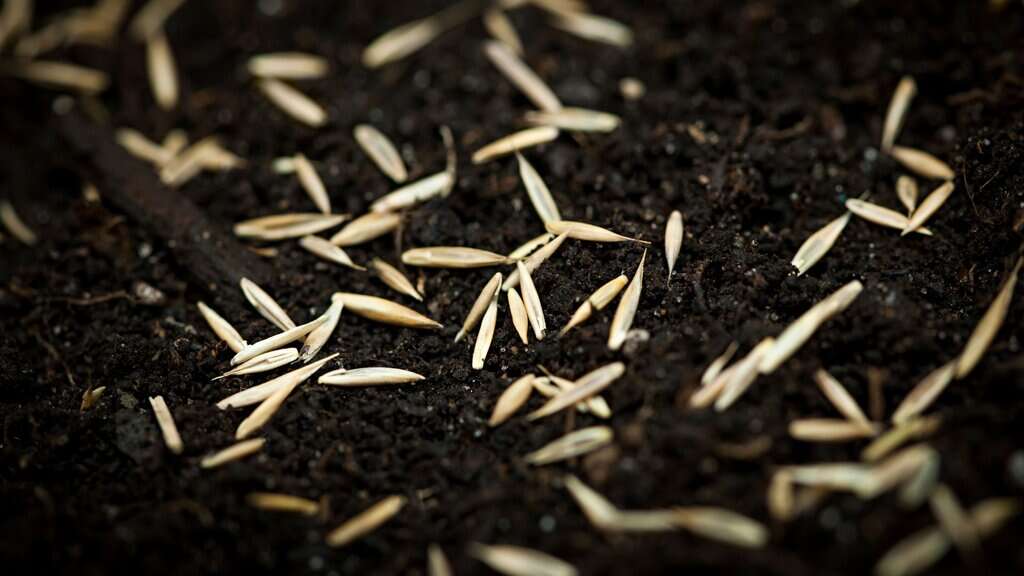


Plant your cool-season grasses in late summer-early fall, and your warm-season grasses in late spring-early summer to get the best results.
This is usually the rule most Midwesterners should follow, though the exact timing depends on your exact climate according to the USDA plant hardiness zone and the grass type you’ve chosen.
Learn the types of grass seeds you could plant, when and how to grow them, and tips for giving them the best chance at thriving.
Key Takeaways
- Plant cool-season grasses in early fall, warm-season grasses in late spring.
- Soil temperature, climate zone, and grass type affect ideal planting timing.
- Prepare soil properly with testing, weeding, and light, frequent watering.
- Choose grass based on sunlight, traffic, maintenance, and drought tolerance.
Understanding Grass Types
Before we discuss when to plant grass seed, it’s first important to understand the types of grass. There are two main types:
1. Cool-Season Grasses
Cool-season grasses like Kentucky bluegrass, fescue (tall and fine), and perennial ryegrass grow in moderate temperatures between 60°F and 75°F. They experience peak growth during early spring and fall when temperatures are cooler but not freezing.
Unlike warm-season grasses, cool-season grasses remain green for most of the year but struggle in extreme heat. You’ll need a lot of water during the summer months to keep them from becoming dormant.
2. Warm-Season Grasses
Warm-season grasses like Bermuda, Zoysia, Bahia, St. Augustine, and Centipede grass grow in temperatures ranging from 75°F to 90°F—typically in the southern U.S. They see peak growth in late spring and summer when the soil is warm and sunlight is abundant.
These grasses need full sun (six or more hours daily) to establish—though some, like St. Augustine, can tolerate partial shade. This is why they go dormant in the fall and winter, usually turning brown when temperatures drop below 50°F.
When to Plant Cool-Season Grass Seed
Cool-season grass seeds germinate best during late summer and early fall when soil temperatures are between 50°F and 65°F, usually around August to October. The soil still retains warmth from the summer months, which can help the seeds germinate faster.
If you live near the transition zone, the planting window will change (but you’ll still plant in early fall):
- If you live in or near the transition zone, you should seed between September 1 and late October.
- If you live above the transition zone, you could sow the lawn between August 15 and October 1.
Early fall means less competition for nutrients and sunlight with weeds like crabgrass and dandelions, which actively start growing in the fall.
The grass will also have more time to develop deep roots before winter dormancy, so when spring arrives, these established roots will help the grass grow faster and withstand stress.
If you miss your window, you could go for a spring planting. But you’ll have to deal with aggressive weeds (which love to grow in spring) that will make the grass seedlings hard to establish.
Sowing grass seed this late may also not leave enough time for it to establish strong roots before the summer heat arrives. If you must plant in spring, use fast-germinating varieties like perennial rye grass and water the grass constantly to prevent heat stress.
When to Plant Warm-Season Grass Seed
Warm-season grass seeds germinate best when soil temperatures reach 65°F to 70°F and air temperatures are between 75°F and 90°F. This makes late spring to early summer—April to June—the best times to plant this type of grass.
Here are some reasons why:
- More sunlight means faster seed germination and stronger root development.
- Warm-season grasses need extended sun exposure, and the gentle sun in late spring helps seeds grow without burning them.
- Weeds like crabgrass peak in early spring. By late spring, their aggressive growth slows. This gives warm-season grass a better chance to grow without competition.
Note that late spring means the soil should be at least 65°F. If it’s below that, wait for a few more days before checking again. If you plant the grass seeds in colder soil, they may grow slowly or unevenly and be outcompeted by fast-growing weeds.
Planting too late is also risky because the grass won’t have enough time to establish deep roots before fall, which can make it vulnerable to the cold. For the best results, plant at least 90 days before the first expected frost in your area. This will give the grass enough time to grow.
Key Things Consider Before Planting Grass Seeds
Here are seven factors you need to consider before planting grass seeds:
1. Grass Type and Hardiness
Look at this USDA Plant Hardiness Zone Map to understand which grass types will work in your region.
Here’s a breakdown:
- Midwest —Cool-season grasses like Kentucky bluegrass and tall fescue will work best because of the cold winters and moderate summers.
- Southern U.S. —You can plant warm-season grasses like Centipede, Zoysia, and St. Augustine because they grow well in the hot and humid climate.
- Transition Zone (parts of Virginia, North Carolina, Tennessee, etc.)—Both cool- and warm-season grasses are good choices because of the hot summers and cold winters.
2. Soil Condition
A soil test is the best way to figure out the soil’s pH and nutrient levels. If the soil’s pH is between 6.0 and 7.0, you’re good.
If it’s too low (acidic), you could add lime to raise it, and if it’s too high (alkaline), you could apply sulfur to the soil.
You should also think about adding organic matter like compost or aged manure to improve drainage, nutrient availability, and moisture retention.
3. Sunlight
How much sunlight the lawn gets will determine the type of grass seed you can plant. If the lawn gets at least six hours of full sunlight, you could go for Bermuda and Kentucky.
But if it has mixed light conditions, with some areas getting more light than others, you may have to go for a shade-tolerant grass blend like fine fescue or turf-type tall fescue.
4. Water Availability
New grass requires consistent moisture, so you need to have a reliable irrigation plan in place before planting. For instance, during the initial growth phase, seeds have to be watered lightly but frequently. This can mean watering daily or even twice a day until the seeds sprout.
Once the grass seed is established, you’ll need to switch to deep, infrequent watering to encourage strong root development—usually two to three times per week. This requires a lot of water.
If you live in a drought-prone area, you may have to go with drought-tolerant grasses like Bermuda, buffalo grass, or tall fescue to reduce water demands. Mulch and straw over the newly planted grass will also prevent the seeds from drying out too quickly.
5. Weed and Pest Control
Weeds compete with young grass for nutrients, water, and sunlight, so you want as little of them as possible on the lawn. This means you should plant the grass seed at the right time—early fall for cool-season grasses and late spring and early summer for warm-season grasses.
While you can get away with not spraying any herbicides for cool-season grass seed plantations, you may need to use some for warm-season grasses because of the still-aggressive weed growth in the planting season.
You should also look out for pests like grubs, chinch bugs, and army worms because they could impact the grass growth.
6. Lawn Traffic
Not all grasses can withstand heavy foot traffic, so you need to choose the right grass for the right use case.
Kentucky bluegrass and Bermuda are traffic-tolerant grasses and recover quickly because of their spreading growth habit. But if you’re using fine fescue, make sure it’s ornamental (the tread on the lawn is very little), or you might see it destroyed quickly.
If the lawn gets regular foot traffic from children, pets, or sports activities, tall fescue (cool-season) and Bermuda (warm-season) are great choices.
7. Fertilization
The right nutrients at the right time can make all the difference in seed germination, root development, and overall lawn health. When you plant grass seed, you should use a starter fertilizer that’s high in phosphorus because it helps roots grow stronger.
Here are some fertilizer recommendations for cool- and warm-season grass types:
- Cool-season grasses —Fertilize in early fall and then in late spring.
- Warm-season grasses —Apply fertilizer in late spring or early summer, but avoid it during extreme heat because that can cause stress.
However, don’t just go ahead with fertilizer because you should add it. Instead, get a soil test done before fertilization to figure out what nutrients the soil lacks. This will help you choose the right fertilizer blend.
How to Plant Grass Seed
Here’s how to plant grass seed so it grows healthy:
1. Prepare Your Sowing Site
You should ideally start this at least one to two months before sowing. Here’s what to do:
- Remove all weeds like bindweed and couch grass at their roots.
- Rotovate or dig around 8 inches if the soil is hard and compacted. You’ll need to leave this area to settle for at least five to six weeks.
- Add manure or compost to the soil if it drains quickly. This will help hold moisture.
Once the soil has settled, weed again if needed and then shuffle over it a few times in different directions to firm the soil. After that, rake the area to break up clumps and remove any large stones. You can add fertilizer at this point as well.
2. Sow the grass Seeds
Weigh out the grass seeds as suggested on the packet—the amount of the seeds will depend on your seed mix—and separate into two equal batches. After that, scatter half of the seeds over the area while walking up and down in parallel rows. Try to be as even as possible.
Now scatter the rest of the seed—walking side to side—rake over the area to cover the seeds with soil, and water with a light spray. You will need to water daily or twice a day, depending on your chosen grass type.
3. Protect the seeds
Once you’ve watered the area, cover it with straw, mulch, or horticultural fleece to help it retain moisture and prevent birds from getting at the seeds. You could also use lawn netting in windy areas to keep seeds in place.
Let Our Experts at SunCo Lawns Plant Grass Seeds for You
Planting grass seed requires considering the soil temperature, regional climate, soil preparation, fertilization, and watering needs. You also need to make an active choice between cool-season and warm-season grasses before getting to the seeding part.
If you time these factors right, you grow the lush, green yard that you want.
But if you’d rather leave it to the pros, SunCo Lawns can handle the work while you enjoy the view. Our team understands the needs of different grass types, soil conditions, and regional climates. This way, we ensure the lawn gets the right care at the right time.
Want to learn how we can help you grow a lawn you’ll be proud of? Give us a call today!