

Key Takeaways
- Fertilizer prices in the US fluctuate due to demand, materials, and global trends.
- Rising costs impact landscaping budgets through higher direct and service expenses.
- Strategies to save include bulk buying, efficient use, and compost alternatives.
- Long-term soil health and sustainable landscaping reduce costs and environmental impact.
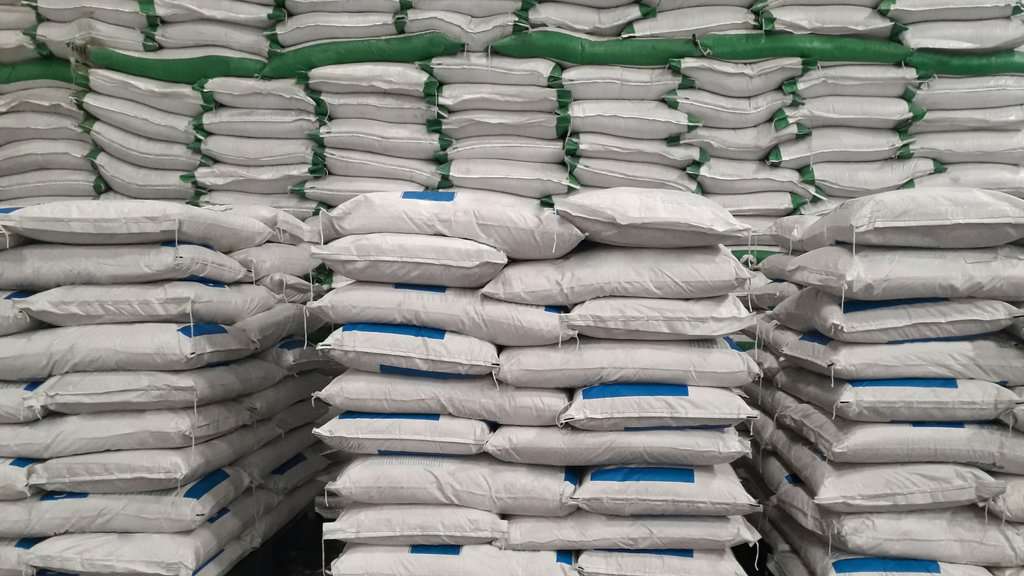
Fertilizer prices in the US can range anywhere from $444 to $810 per ton.
Over the past few years, fertilizer costs have experienced significant fluctuations due to factors such as supply chain disruptions, raw material costs, and seasonal demands.
This has left many gardeners wondering how to keep their landscaping goals on track without breaking the bank.
Today, we take a deep dive into how fertilizer prices influence your landscaping costs and provide actionable strategies to help you navigate these challenges.
Whether you’re a homeowner tending to your back garden or a business owner managing a commercial property, read on to find out how you can make cost-effective decisions while keeping your landscaping lush and vibrant.
- Average Fertilizer Prices: What to Expect in 2025
- Factors That Influence Retail Fertilizer Prices
- How Rising Fertilizer Costs Impact Landscaping Costs
- How to Mitigate the Impact of Fertilizer Prices
- Long-Term Solutions to Mitigate Fertilizer Costs and Boost Sustainability
- Cost Effective Landscaping with SunCo
Average Fertilizer Prices: What to Expect in 2025
Fertilizer prices will remain a concern for anyone planning their budgets. Here’s a breakdown of the average costs you can expect for fertilizers based on their type:
| Fertilizer Type | Price per Pound (USD) | Approximate Price per 50 lb Bag (USD) | Ideal Use Case |
| Urea | $0.50 – $1.00 | $25 – $50 | Promotes rapid, lush green growth in lawns |
| Diammonium | $0.60 – $1.20 | $30 – $60 | Supports balanced growth in gardens, trees, shrubs |
| Monoammonium Phosphate | $0.65 – $1.30 | $32.50 – $65 | Ideal for flower beds and enhancing root systems |
| Potash | $0.40 – $0.80 | $20 – $40 | Sustains grass resilience and drought tolerance |
Actual prices can vary a lot depending on the brand and even where you’re buying the fertilizer.
Buying fertilizer yourself from stores will also likely mean you’re getting a higher price tag per bag since you’re not benefiting from bulk discounts.
Factors That Influence Retail Fertilizer Prices
Understanding the variables behind fertilizer price fluctuations will help you make more informed purchasing decisions. Here are the key factors driving fertilizer input costs:
Raw Material Costs
Fertilizers are primarily made from nitrogen, urea, anhydrous ammonia, phosphorus, and potassium (potash) — the main nutrients essential for healthy plant growth.
The cost of these raw materials fluctuates due to:
Increased global demand for agricultural output
This requires significant quantities of fertilizer, driving prices up.
Increased global energy prices
Fertilizer production, especially with nitrogen-based fertilizers, relies heavily on natural gas. Rising energy costs have led to increased production expenses.
Seasonal Fluctuations
Demand typically peaks during the planting seasons in the spring and fall.
As a result, fertilizer prices tend to rise during those periods and may stabilize during the off-season.
Planning purchases ahead of peak time will help save money.
Global Market Trends
Fertilizer prices are also affected by international supply and demand.
Events like geopolitical conflicts, trade restrictions, and sanctions can disrupt supply chains and cause price spikes.
For instance, restrictions on exports from major fertilizer-producing countries can limit availability and drive costs across the globe.
Environmental Regulations
Government policies aimed at reducing environmental impact can affect fertilizer production costs.
Regulations promoting eco-friendly manufacturing processes or restricting certain chemicals often result in higher prices, which are passed on to the consumer — that is — gardeners and landscapers like you.
How Rising Fertilizer Costs Impact Landscaping Costs
Fertilizer prices have a ripple effect on overall landscaping expenses. Here’s how rising prices can influence your lawn and garden care:
Direct Costs
When fertilizer prices increase, the most notable impact is the increased prices for individual bags or bulk orders. You may find yourself spending significantly more on regular lawn treatments.
Indirect Costs
Increased fertilizer costs often lead to higher service fees from landscaping companies. After all, professionals who rely on these products must account for the added expense in their pricing.
Long-term Impacts
Over time, rising fertilizer prices could lead to:
Delays in achieving your landscaping goals and potentially the need to stretch your budget over multiple seasons.
Changes in your maintenance priorities, including cutting back on non-essential landscaping to focus on the essential, which may impact your curb appeal.
How to Mitigate the Impact of Fertilizer Prices
While rising fertilizer prices can strain your landscaping budget, there are practical strategies you can employ to reduce their impact. These include:
Shopping Smart
Check local garden centers, retailers, and bulk suppliers to find the best deals. Look out for seasonal discounts, clearance events, and loyalty programs, and buy in bulk to reduce the cost per unit.
Also, shop during off-peak seasons when demand and prices are lower.
Using Fertilizers Efficiently
Conduct a soil test to determine exactly what nutrients your lawn or garden needs. You can also get slow-releasing fertilizers which require fewer applications.
Exploring Alternative Solutions
Use organic kitchen scraps, grass clippings, and yard waste to create nutrient-rich compost as a natural fertilizer substitute.
Additionally, you can supplement your fertilizer or replace it entirely with products like manure, bone meal, or fish emulsion.
Partnering with Professionals
Professional landscapers like SunCo typically have access to bulk purchasing discounts and expertise in efficient fertilizer application.
Additionally, we prioritize eco-friendly and cost-effective landscaping techniques without breaking the bank.
Long-Term Solutions to Mitigate Fertilizer Costs and Boost Sustainability
Here are some tips to get you started with long-term lawn care:
Focus on Soil Health Management:
Test your soil every 1 – 2 years to monitor its nutrient levels and pH. This allows you to adjust your fertilization plan as needed.
Additionally, aerate your lawn regularly to allow nutrients to penetrate more effectively, and use mulch to suppress weeds and gradually enrich the soil as it decomposes.
Implement Integrated Landscaping Practices
This refers to the practice of combining multiple techniques to boost your soil nutrient content. You can enhance the effectiveness of fertilizers by pairing them with proper irrigation, mulching, and pruning.
You may also want to plant cover crops like clover or rye to prevent erosion and naturally add nutrients back into the soil.
Embrace Sustainable Landscaping Trends
Opt for drought-tolerant plants that require minimal watering and fertilization, such as succulents or native grasses. To reduce reliance on fertilizers, incorporate rocks, gravel, and low-maintenance plants into your landscaping plan.
Cost Effective Landscaping with SunCo
Rising fertilizer prices don’t have to derail your landscaping goals. With the right landscaping strategies, you can maintain a lush and vibrant outdoor space without breaking the bank.
And if you’re ready to take the guesswork out of your lawn care, check out SunCo.
At SunCo, you’ll get expert gardening solutions, eco-friendly landscaping products, and personalized services designed to meet your needs. Get in touch and let us help you transform your outdoor spaces, no matter the size or budget.