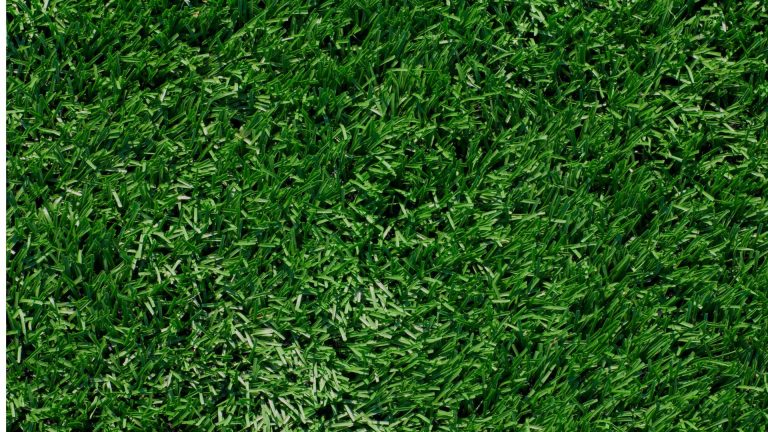
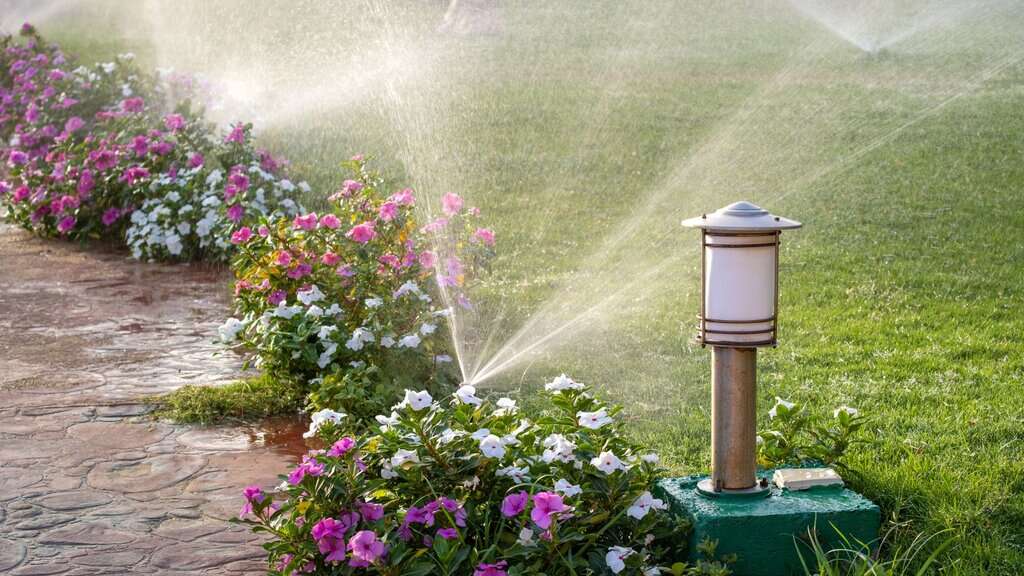


The worst time to water grass in the Midwest is midday. It might seem like a convenient time, but it can actually do more harm than good.
You end up losing a lot of the water to evaporation, and that’s not a choice you want to make, whether you care about your water bills or the environment!
If you want to achieve a healthy lawn, here’s why it’s not recommended to water your lawn at midday.
Read on to learn the best time to water grass and explore proper watering methods.
Key Takeaways
- Avoid watering grass at midday or night to prevent evaporation and disease.
- Water lawns early morning (6–10 a.m.) for best absorption and minimal loss.
- Watch for signs like curled blades or brittle grass to know when to water.
- Deep, infrequent watering and proper timing support root growth and health
The Worst and Best Times to Water Your Lawn in the Midwest
Choosing the right time to water your lawn can greatly impact its health, appearance, and overall growth.
It might seem logical to water your lawn during the hottest part of the day, but midday watering can be counterproductive.
Water applied during peak heat evaporates quickly, meaning your grass won’t absorb enough moisture, making this approach both economically and environmentally inefficient.
On the other hand, watering at night may seem practical since the temperature is cooler.
However, night watering can leave your grass wet for too long, promoting fungal diseases, pest infestations, weed growth, soil erosion, waterlogging, and nutrient depletion.
So, when should you water your lawn?
The ideal window is early morning, specifically between 6 a.m. and 10 a.m., or even at dawn before the sun rises.
At this time, the cooler temperatures reduce evaporation, allowing water to deeply penetrate the soil and reach the grass roots efficiently.
Additionally, the grass blades won’t remain wet long enough to encourage diseases.
If early mornings aren’t convenient, the late afternoon or early evening—around 4 p.m. to 6 p.m.—is also suitable.
This timeframe still allows your grass to absorb sufficient moisture without the risks associated with nighttime watering.
Ultimately, the best timing may shift slightly with weather patterns and seasons.
A simple rule to follow is watering your lawn either before sunrise or shortly before sunset to ensure maximum absorption and optimal lawn health.
Signs You Should Water Your Lawn
Watch out for these tell-tale signs that show your lawn needs serious watering.
As much as possible, water your lawn frequently to prevent your grass and plants from dying.
- Dull and grayish lawn: If your grass doesn’t show a vibrant green hue, it lacks the nutrients it needs to produce chlorophyll. Ensure you have a regular watering schedule, and it receives the right amount of sunlight and nutrients from the soil.
- Curled grass blades: The grass will curl if it doesn’t receive enough water. It’s one of the first signs of drought stress. Keep an eye on curled grass and correct it immediately with regular watering.
- Footprints: Grass from hydrated lawns doesn’t leave footprints when stepped on since it springs back immediately. However, if you notice footprints stay longer on your lawn, it indicates heat stress and a lack of water.
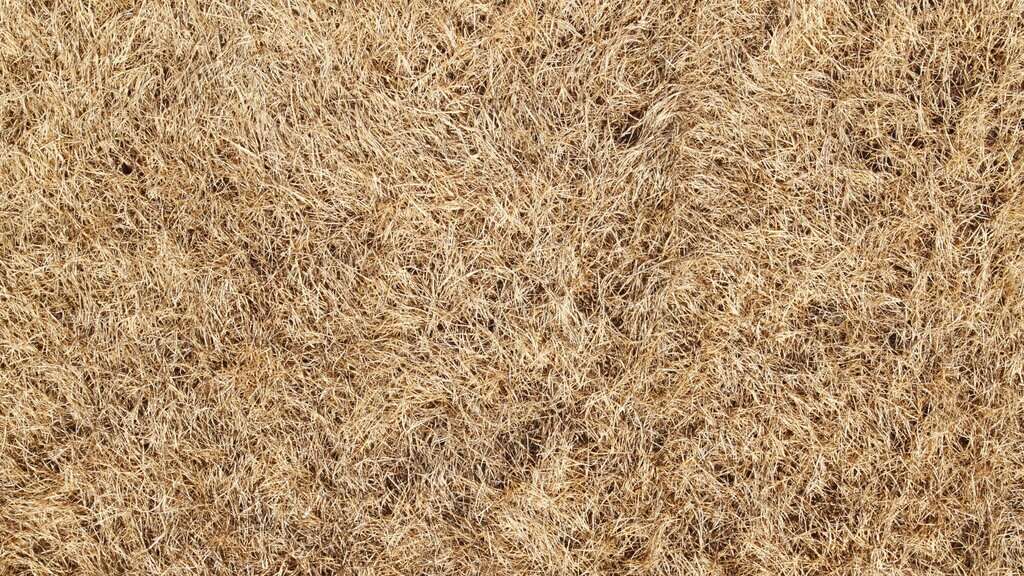
- Brittle grass: If you hear grass ‘crunch’ as you step on it, it means the grass has become dry and brittle due to dehydration. It indicates that the grass is drought-stressed, but it often recovers with proper watering.
Tips for Proper Lawn Watering
If you’re experiencing dehydrated grass in your garden or want to prevent this from happening, consider and try the following tips to water lawns effectively.
Know Your Soil Type
Each soil type absorbs and retains water differently.
For example, sandy soil absorbs water fast, while clay soil absorbs slowly. As a result, knowing the soil type can indicate how much you need to water your grass and how often to water it.
Consider soil testing if you’re unsure of your lawn’s soil type, pH level, and nutrient level. Examples of soil types include loamy, clay, silt, and sandy.
Water According to Your Grass Type
Some grasses require more frequent watering depending on their species, so you must consider the grass type on your lawn.
For example, cool-season grasses, like Kentucky bluegrass, perennial ryegrass, fescue, and buffalo, require lots of water.
On the other hand, warm-season grasses, like Bermuda, zoysia, centipedegrass, and seashore paspalum, don’t need much watering.

If you’re having trouble identifying the type of grass you have, consider checking common lawn grasses in your region and comparing their features with your grass.
Otherwise, feel free to seek the help of a professional gardener to identify your grass and care for your lawn.
Soak Your Grass Infrequently
Instead of sprinkling water over your grass daily, it’s best to water deeply a few times a week to encourage roots to grow deeper.
This method also makes your grass more resistant to drought.
Ideally, you must soak the grass with at least an inch of water per week, split into three infrequent watering sessions.
However, only let your water level rise to two inches to avoid drowning your grass.
Check Your Weather and Climate
Does it often rain in your area? The weather can affect how often you water your garden or lawn.
If it rains frequently in your location, you don’t have to water or soak your grass often.
Count out the days it rained from your regular watering session to prevent drowning your grass.
On the other hand, experiencing hot and dry weather requires you to water your lawn to prevent your grass from dehydrating.
Also, a windy climate affects water absorption as strong winds can displace the water and cause uneven water distribution.
Give Your Lawn Enough Nutrients
Aside from hydrating your grass with water, don’t forget to apply fertilizer and nutrients to your soil to maintain a healthy lawn.
You may use a liquid fertilizer for grass to ensure the grass roots receive the right nutrients down to their leaves.
Consider applying fertilizer and other nutrients before summer to prevent your lawn from experiencing drought, even when you don’t water frequently.
Consider Installing a Smart Irrigation System
A residential or commercial lawn irrigation system enables you to hydrate your grass at the right time, amount of water, and frequency to maintain a healthy garden or lawn.
Besides the convenience of not having to water your lawn manually, installing this system helps you save water.
It can adjust how much water to use depending on the weather, type of grass, and how thick or sparse your lawn is.
Plus, some systems let you connect them to your mobile device, enabling you to adjust your water schedule anywhere, anytime.
If you find it difficult to install your smart irrigation system, many professional gardeners or landscapers can help you set it up according to your lawn’s watering needs.
Make Sure Your Lawn Stays Healthy with Professional Help from SunCo
One way to keep your lawn healthy is by watering at the right time and frequency.
Remember to avoid watering at midday and late at night to enable grass to absorb water efficiently and effectively.
However, watering is just one part of maintaining your lawn.
If you need help caring for your garden, lawn, crops, or commercial space, consider seeking help from expert gardeners or landscapers, like SunCo.
SunCo is a Midwest-based lawn care provider that helps keep your grass green and weed-free through various services.
Get in touch with SunCo’s team today, and learn more about our various lawn care services!