
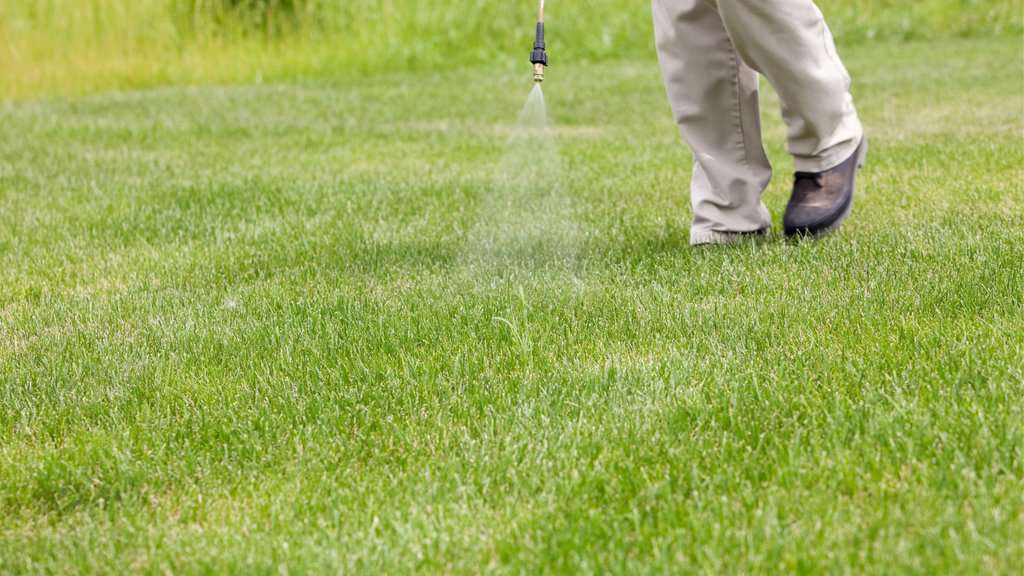


Organic liquid fertilizers are natural solutions that can help your plants grow strong and healthy.
They come from sources like plant extracts, animal waste, and minerals.
Unlike conventional fertilizers that take time to break down in the soil, liquid fertilizers provide nutrients that plants can absorb right away.
This makes them an excellent option if you’re looking to give your lawn or garden a quick boost.
In this guide, we’ll cover the many benefits of using an organic liquid fertilizer, the different types available, and how to apply it.
We’ll also share some DIY recipes so you can make your own liquid fertilizer at home and save a few bucks.
Key Takeaways
- Organic liquid fertilizers offer fast absorption and promote soil and plant health.
- Common types include compost tea, seaweed extract, and fish emulsion.
- Apply via soil drench, foliar spray, or sprinkler during cooler times of day.
- DIY options like banana peel and alfalfa tea are easy, effective, and affordable.
Why Use Organic Liquid Fertilizers
Using an organic liquid fertilizer comes with plenty of perks that can improve your gardening experience.
Here’s a closer look at why these fertilizers are a great choice for your plants, soil, and the environment:
Better Soil Health
Organic liquid fertilizers contribute to long-term soil health by adding organic matter back into the ground, which improves soil structure and allows for more effective water and nutrient retention.
Additionally, these fertilizers stimulate microbial activity in the soil, promoting a balanced ecosystem that supports beneficial bacteria and fungi essential for nutrient cycling.
Healthier Plants and Better Growth
Because the nutrients are in liquid form, plants can absorb them almost immediately through their roots and leaves.
This leads to stronger, more vigorous growth and helps the plants resist pests and diseases a lot better.
Versatile Applications
Organic liquid fertilizers can be used on a variety of plants, from fruits and vegetables to flowers and shrubs.
Their ease of application, whether through foliar feeding or direct soil application, makes them suitable for both beginner and experienced horticulturists alike.
No matter what you’re growing, there’s likely an organic liquid fertilizer that fits your needs.
Environmentally Friendly
Unlike synthetic fertilizers, which can pollute soil and water with their chemicals and additives, organic options are derived from natural materials that minimize environmental impact.
As such, they’re more sustainable.
Economic Advantages
While some organic fertilizers may have a higher upfront cost, they often lead to reduced long-term expenses through improved soil health and reduced need for additional chemical inputs.
Besides, many organic fertilizers can be made at home using kitchen scraps or easily sourced materials like compost or fish emulsion.
And if that’s not enough, several studies have shown that using organic fertilizers can significantly improve soil quality and, in turn, lead to higher yields over time.
Types of Organic Liquid Fertilizers
Some of the most common types of organic fertilizers available on the market:
- Compost Tea: A nutrient-rich solution made by steeping compost in water, compost tea boosts microbial activity in the soil.
- Seaweed Extract: This fertilizer contains hormones that promote root development and stress resistance in plants.
- Manure Tea: Similar to compost tea but made with animal manure. Provides a quick nutrient boost but should be used carefully to avoid pathogens.
- Fish Emulsion: Rich in nitrogen and trace minerals, fish emulsion is great for leafy greens and overall plant health.
- Molasses: Not a complete fertilizer on its own, but molasses can be added to compost tea or other liquid fertilizers to improve nutrient availability.

How to Use an Organic Liquid Fertilizer
Liquid fertilizers come in concentrated formulas, so beware that over-concentration can harm plants.
Dilute them according to the manufacturer’s instructions or your homemade recipe.
The best time to apply these fertilizers is early in the morning or late afternoon when temperatures are cooler and there’s no direct sunlight.
This prevents evaporation and allows for better absorption.
As far as the methods of delivery, there are three main options:
- Soil Drench: This is where you pour the fertilizer directly onto the soil around your plants, which delivers nutrients right to the roots and is excellent for herbs and vegetable gardens.
- Foliar Spray: Simply spray the fertilizer onto the leaves of your plants, focusing on the undersides where stomata are located for optimal absorption.
- Sprinkler System: If you have a sprinkler system, you can mix the fertilizer with water and let it distribute evenly across your garden.
Applications can range from every 2 weeks to monthly during the growing season, depending on your plants’ needs and the specific fertilizer used.
DIY Organic Liquid Fertilizer Recipes
Interested in making your own fertilizer at home? Here are a few simple recipes you can follow:
Compost Tea
All you need for this recipe is well-aged compost and some water:
- Fill a buck with about one part compost to give parts water.
- Stir the mixture well and let steep for 2-3 days.
- Strain the liquid through a fine mesh or cheesecloth to remove solid particles.
- Use the liquid to water your plants, diluting it if necessary.
Seaweed
Grab some fresh or dried kelp and water then follow these steps:
- Pack a container with kelp and fill it with water.
- Cover the container with an airtight lid and let it sit for 2 weeks.
- Strain the liquid before using it as a fertilizer.
- Dilute with at least 10 parts water for application.
Alfalfa Tea
Yes, alfalfa pellets are an excellent fertilizer! Follow these steps:
- Place alfalfa pellets in a bucket, filling it about halfway.
- Add water to fill the bucket and let it steep for about 10 days in warm weather.
- Strain out the solids and dilute the liquid.
- Apply the diluted liquid to your garden.
Related: How to make fertilizer at home
Nourish Your Plants Naturally
Using an organic liquid fertilizer is a great way to nourish your plants while being kind to the environment.
It offers numerous benefits, including quick nutrient delivery, reduced chemical exposure, and better soil health.
So now that you know how to make these fertilizers at home and how to use them, what are you waiting for? Start incorporating them into your gardening routine and watch your plants thrive!
Don’t want to tackle fertilization on your own? Let the experts at SunCo handle it for you.
Contact us today to learn how our professional fertilization services can keep your lawn healthy without any hassles.