
Ryegrass is a versatile, vibrant green, fast-growing cool-season grass that’s frequently used in lawns, sports fields, golf courses, and erosion control projects. It comes in two main varieties: annual and perennial.
It’s perfect for homeowners aiming for dense ground coverage in a short time or to overseed warm-season turf in the winter.
Key Takeaways
- Ryegrass grows quickly and thrives in cool, mild climates with full sun.
- It comes in annual and perennial varieties for short- or long-term use.
- Ideal for overseeding, erosion control, or filling bare lawn patches fast.
- Requires regular watering, mowing, and occasional aeration to stay healthy.
Ryegrass: Characteristics
Though it can adapt well in many regions, ryegrass thrives in climates with cool springs and mild winters. Here’s what you need to know about it:
- It germinates quickly and sprouts densely within 5 to 10 days, making it ideal for overseeding bare spots, establishing new lawns quickly, or stabilizing soils.
- It does best in well-drained, moderately fertile soils with a pH between 6.0 and 7.0. Though it can grow in both sandy and clay-heavy soil types, it prefers well-drained ones.
- It grows best in full sun, but it can handle partial shade. If grown in shaded areas, growth will be slightly thinner.
- It thrives in cool weather and can endure mild winters in a temperature range of 55°F and 75°F, but extreme cold can damage it or render it dormant.
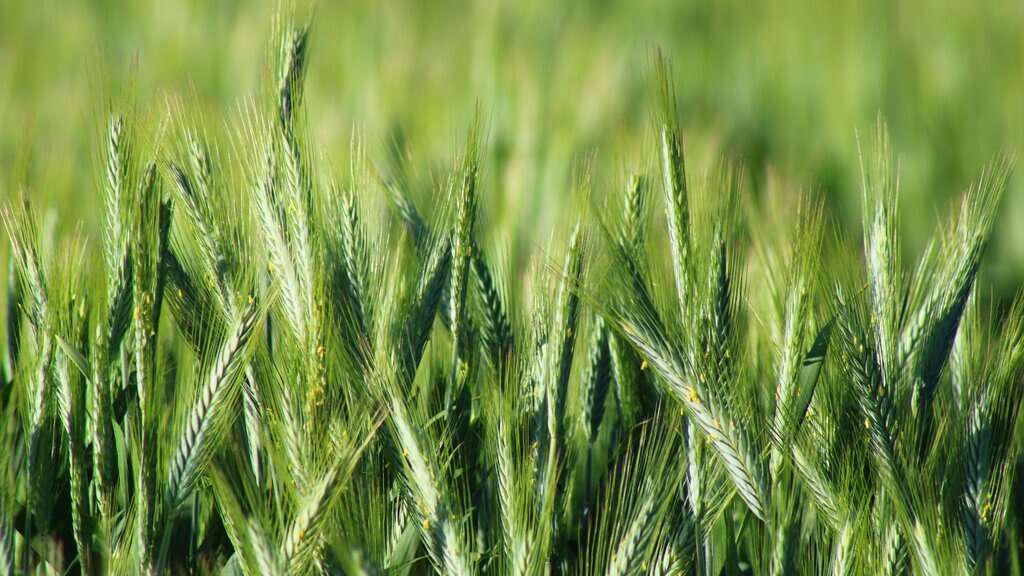
Ryegrass: Types
- Annual Ryegrass: Used for winter overseeding or temporary coverage, or as a “nurse grass” to establish other species and maintain a green look through the colder months, this type lasts only one growing season. It dies off in warmer months, serving as an option to grow a short-term lawn.
- Perennial Ryegrass: Ideal for a permanent lawn, this type establishes itself more deeply and grows in a denser, more uniform ground pattern. Since it can withstand foot traffic and maintain its color throughout the seasons, it’s a viable turf grass.
Ryegrass: Maintenance
Ryegrass is one of the less demanding plants in terms of care.
Planting
You should plant rye grass seed in the early spring or fall, and it will germinate quickly. For the latter, consider doing so about six to eight weeks before the first expected frost. For the former, plant it as soon as soil temperatures reach around 50°F.
Note that it can compact over time, so aerating your lawn annually or biannually will help with soil drainage and root health.
Watering
Ryegrass requires watering frequently, especially during dry periods. Keep the soil moist during the first two to three weeks after planting by watering lightly every day, then switch to deep watering about once a week. About 1 to 1.5 inches of water will do.
Mowing
Mow your ryegrass the first time when it reaches about 3–4 inches in height. Afterward, maintain a mowing height of 2–3 inches to promote thick, healthy growth.
Interested in planting a ryegrass lawn but overwhelmed by the process? We’re here to help! At SunCo Lawns, we can guide you through it and provide expert tips for maintaining a lush, green look all season. Contact us today; let’s get growing!
Check Out These Terms
- Bermuda Grass: Get a heat-tolerant, low-maintenance lawn with Bermuda grass. Discover how!
- Fescue Grass: Looking for cool-season lawn grass that can withstand drought and shade? Fescue is an option.
- Rye Grass: Need a nurse plant to maintain your lawn’s color year-round? Ryegrass can help. Learn how.