
Key Takeaways
- Landscaping combines softscaping and hardscaping for a functional, visually appealing space.
- Hardscaping includes non-living elements like patios, pathways, and outdoor structures.
- Softscaping focuses on living elements such as plants, trees, and soil care.
- Both elements work together to create balance, beauty, and practicality outdoors.
What is Landscaping?
Landscaping involves enhancing outdoor spaces through two primary processes: softscaping and hardscaping.
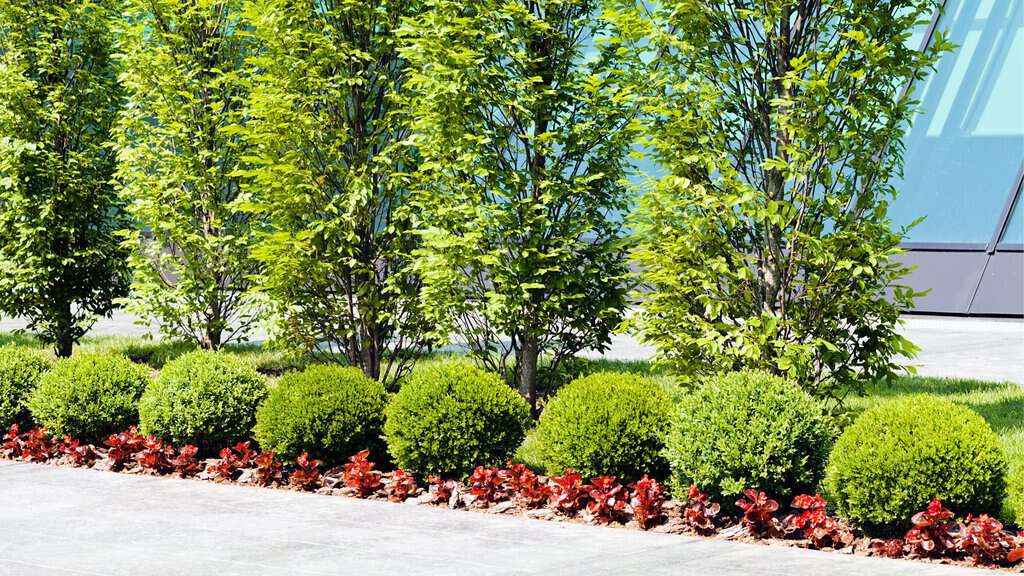
The former focuses on the organic, natural components of your landscape, while the latter is concerned with man-made structures and the practicality they bring to your environment.
Landscaping attempts to blend both elements to create your dream landscape: harmonious, visually appealing, and functional.
What Is Hardscaping?
Hardscaping is the process of erecting structures within your outdoor space that contribute to its design and functionality.
Contrary to softscaping, which seeks to make your environment more lush, hardscaping elements contribute to defining space and creating focal points while adding durability and functionality to your landscape.
The word “hard” in hardscaping refers to the solid nature of the materials you employ: concrete, glass, bricks, and wood.
You may need to be experienced or hire a professional landscaping company if your landscape design plans include hardscaping elements.
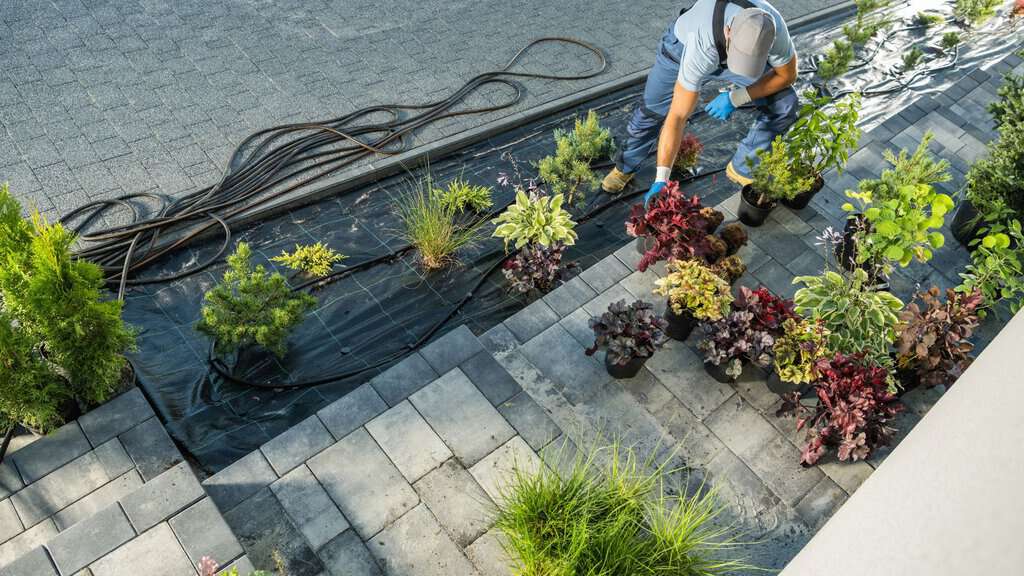
Some examples of hardscaping tasks are:
- Installing outdoor lighting fixtures
- Building water features, such as a fountain or a swimming pool
- Adding outdoor living spaces, including pergolas, patios, and decks
- Constructing a fire pit, fireplace, or an outdoor kitchen
- Constructing pathways and walkways
- Installing irrigation systems to support softscaping elements
- Erecting fences, gates, or retaining walls
- Laying edging and borders
What Is Softscaping?
Softscaping focuses on the organic, natural components of your landscape, such as plants, trees, flowers, and soil.
It generally involves both planting, arranging, and caring for them to create an aesthetically pleasing environment.
Combined with hardscaping, softscaping allows you to bring color and life to your outdoor space to complement and balance out the more rigid aspects of your landscaping efforts.
Examples of softscaping tasks include:
- Planting trees or cultivating plants to increase visual appeal or provide shade
- Planting shrubs to create borders and provide privacy
- Trimming shrubs to define spaces and decorate
- Planting fruits and vegetables to provide a harvest
- Replacing or aerating soil, and mulching to support plant health
Other Terms to Understand
- What Is Lawn Care?: Begin by learning about the most essential aspect of softscaping: lawn care. Discover what you can do to elevate your lawn’s lushness and health!
- What Is Xeriscape Landscaping?: Learn what xeriscape landscaping consists of and how it’s used to reduce or eliminate the need for irrigation!
- What Is Weed Control?: Learn what weed control is, its essential role in maintaining a healthy landscape, and the key tasks involved!