

Key Takeaways
- Salt kills weeds by dehydrating plant cells but can harm soil long-term.
- Rock salt offers lasting control, while table salt works for targeted spot treatments.
- Use salt mixtures sparingly; combine with vinegar for stronger, localized weed control.
- Salt suits small-scale weed issues; commercial herbicides are better for extensive infestations.
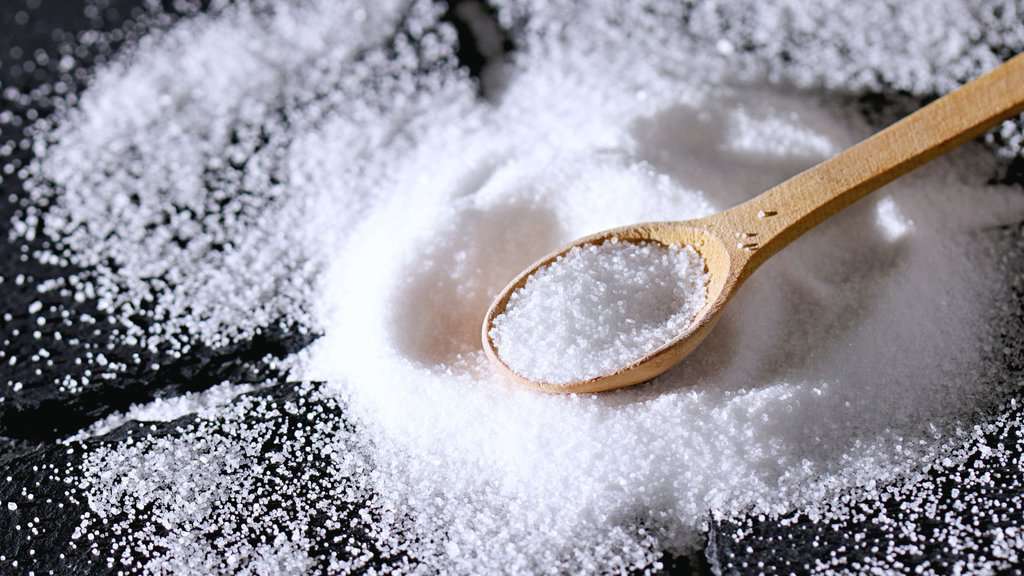
Salt, or sodium chloride, works by disrupting the internal water balance in plant cells, drawing moisture out of the plants, and causing them to dehydrate.
This process essentially kills weeds by preventing them from absorbing the water and nutrients they need to survive.
While salt kills weeds effectively, it also poses risks to other plants and soil health if applied incorrectly.
- How Does Salt Kill Weeds?
- Types of Salt for Weed Control: Rock Salt vs. Table Salt
- How to Use Salt to Kill Weeds Safely and Effectively
- Salt vs. Commercial Herbicides: Which is Better?
- Using Salt as a Weed Killer: Pros and Cons
- Additional Tips for Using Salt to Control Weeds
- Is Salt a Good Solution for Killing Weeds in Your Property? Ask SunCo!
How Does Salt Kill Weeds?
When applied to weeds, salt draws moisture from plant tissues, which disrupts the plant’s cells. Over time, the plant dries up, shrivels, and eventually dies.
This process makes salt an effective weed killer, especially for stubborn weeds that may be resistant to commercial herbicides.
However, the concentration of salt is crucial.
A saltwater mixture depends on the right balance to target weeds without affecting surrounding plants. Using too much salt can harm the soil, affecting future plants and surrounding vegetation.
For smaller weeds or those in tight spaces like patio stones or cracks in sidewalks, a weaker mixture may be sufficient, while invasive species might require a stronger mixture.
Types of Salt for Weed Control: Rock Salt vs. Table Salt
There are different types of salt commonly used to kill weeds:
Rock salt
Rock salt is commonly used for melting ice but is also effective in killing weeds. Rock salt works by penetrating the soil and affecting the roots, leading to long-term weed control.
However, rock salt should be applied carefully, as it can damage the soil structure and harm plants nearby.
Table salt
Table salt, which is refined and more soluble, can also kill weeds effectively. Mixed with water, table salt creates a salt solution that can be applied with a spray bottle directly to the weeds.
However, table salt can have a similar impact on soil health as rock salt and should be used sparingly.
Epsom salts and other salts
Although not technically sodium chloride, Epsom salts (magnesium sulfate) are another option some people consider.
While Epsom salts can act as a soil amendment in some cases (providing the soil with magnesium and sulfur), they are less effective at killing weeds and are generally not recommended as a primary weed killer.
How to Use Salt to Kill Weeds Safely and Effectively
Using salt to kill weeds requires careful application to avoid harming desirable plants and degrading soil health. Here are some guidelines for applying salt for weed control:
Mix the Right Concentration
A saltwater mixture for weeds should be strong enough to kill the unwanted plants without affecting the surrounding vegetation.
A good rule of thumb is to mix one cup of salt into two cups of water.
For a more effective weed killer and to help the solution stick to the leaves and plant tissues, add a few drops of dish soap.
Use a Spray Bottle
Apply the solution directly onto the leaves and stem of the weed using a spray bottle. This targeted approach minimizes salt exposure to other plants and reduces environmental impact.
Avoid spraying on windy days to prevent salt from drifting onto surrounding plants.
Apply Salt Directly to Soil
Rock salt can be sprinkled around areas where you want to kill weeds, such as in patio cracks or along sidewalks.
This method, however, can impact soil structure and nutrient availability in the long term, potentially causing nutrient deficiency in nearby plants.
Combine with Household Vinegar
Another popular weed-killer mix is salt and vinegar. Combining salt with household vinegar or acetic acid creates a stronger mixture that can kill weeds faster.
However, vinegar can also affect soil health, so it’s best used for spot treatment on common weeds or for small-scale gardening in areas where you don’t plan to grow other plants.
Avoid Overuse
Too much salt can damage soil quality, making it harder for future plants to thrive. If you need to reapply, do so sparingly to prevent salt build-up.
Salt vs. Commercial Herbicides: Which is Better?
For small or isolated weed problems, using salt can be an effective and nontoxic herbicide solution. However, for extensive weed control, especially in a lawn or a garden with surrounding plants, a commercial herbicide is often a better choice.
A commercial herbicide is designed to target weeds while leaving any desirable plant unharmed, making it more suitable for large areas.
Using Salt as a Weed Killer: Pros and Cons
Pros:
- Cost-effective
- Readily available
- Nontoxic option
Cons:
- Soil damage
- Impact on any surrounding plant
- Environmental impact
Additional Tips for Using Salt to Control Weeds
- Test a small area first
- Avoid using near a garden bed
- Consider using boiling water or hand tools
Is Salt a Good Solution for Killing Weeds in Your Property? Ask SunCo!
Salt can effectively kill weeds when applied carefully and in moderation. However, due to its potential impact on soil health and surrounding plants, it’s best used for targeted weed control in small areas.
For larger-scale weed control, especially in a lawn or a garden, it’s often better to rely on a commercial herbicide or sustainable lawn care practices that ensure the health of your entire landscape.
With over a decade of experience in providing eco-friendly and effective solutions, we offer comprehensive lawn care services.
Contact us today to learn more about our assortment of lawn care services! Call us at (402) 972-8603 or visit our website to schedule a consultation with our lawn care experts.