


Key Takeaways
- Broadleaf weeds, like dandelions and clover, thrive in Midwest lawns with moist soils.
- Control methods include hand-pulling, post-emergent herbicides, and natural weed killers.
- Healthy lawns resist weeds—mow properly, water deeply, and apply balanced fertilizer.
- Fall is ideal for applying herbicides, targeting actively growing and perennial weeds.
Broadleaf weeds, as the name implies, are plants with wide leaves. Most belong to a category known as dicots (dicotyledon), while narrower, grass-like weeds belong to monocots (monocotyledon).
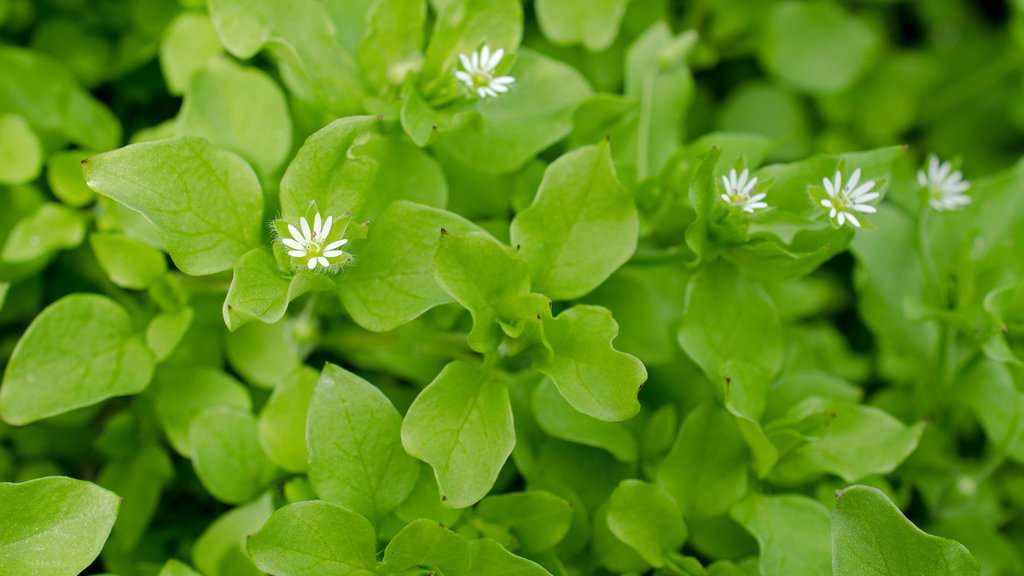
Some of the most common broadleaf weeds in the Midwest include dandelions, chickweed, and clover. They come in various shapes and sizes but generally have wide leaves with prominent veins.
They can seem relentless, popping up year after year. But with the right steps, you can take back control of your lawn and keep it looking neat.
This quick guide covers all you need to know about broadleaf weed control, from identification to removal and prevention, so that your lawn is spick and span year-round.
How Broadleaf Weeds Differ From Grassy Weeds
You can easily distinguish broadleaf from grassy weeds by their:
- Network of veins that extend out from the center
- Nodes from which one or more leaves emerge
- Flowers (some have colorful blooms, like Bull Thistle)
Germination is another distinguishing factor. While grassy weeds sprout with a single leaf, broadleaf seedlings start with two leaves.
For a deeper understanding, we recommend watching this YouTube video by The Good and the Beautiful: Monocot and Dicot Plants Experiment
Types of Broadleaf Weeds by Life Cycle
Many broadleaf weeds can be grouped based on their life cycles. Identifying the life cycle helps determine when and how to treat them effectively:
- Annual Weeds: Complete their life cycle within 1 year, often spreading quickly. Examples include chickweed and prostrate knotweed, which may appear in early spring or summer.
- Biennial Weeds: Take 2 years to mature, producing leaves in the first year and flowering in the second. Bull thistle is a well-known biennial.
- Perennial Weeds: Live for multiple years, often re-emerging seasonally, which makes them hard to eliminate. Dandelion and white clover are common examples.
Broadleaf Species Common in the Midwest
Now that you know how to distinguish broadleaf weeds from their grassy counterparts, let’s get to know some of the varieties you’re likely to see in your Midwest lawn:
Dandelions
Perhaps the most recognizable broadleaf weed, dandelions are difficult to control due to their deep taproots. Also, their iconic puffball seed heads can spread new plants across your entire property.
You should know that these perennial broadleaf weeds can regrow from even the tiniest root fragment. So make sure not to leave anything behind when in the process of getting rid of them.
- Life Cycle: Perennial
- Spread: Seeds and taproots
- Notable Traits: Serrated leaves; puffball seed heads
Broadleaf Plantain
Second only to dandelions in prevalence, this common weed has a tough root system that allows it to grow in compacted and soggy soils, which are often found in high-traffic areas.
Its egg-shaped leaves grow close to the ground in a rosette pattern, and it produces tall stalks with small white flowers from mid-spring to early fall.
- Life Cycle: Perennial
- Spread: Seeds
- Notable Traits: Low-growing leaves; flower spikes on a tall stalk
Bull Thistle
A type of common thistle and standing tall at 3 to 6 feet, bull thistle makes its presence known with spiny leaves and pink-magenta flowers.
This biennial weed blooms from June to September, and its deep taproot makes manual removal challenging.
- Life cycle: Biennial
- Spread: Seeds
- Notable Traits: Spiny leaves and stems; pink or purple flowers.
Ground Ivy
Commonly known as Creeping Charlie, this notorious spreader loves our region’s moist soils. It thrives in poorly drained areas and shaded spots.
It might look harmless with its heart-shaped leaves and purple flowers, but don’t be deceived – this is one of the toughest creeping ground weeds you can get.
Ground ivy spreads aggressively through both seeds and above-ground stems, so it’s particularly hard to control.
- Life Cycle: Perennial
- Spread: Seeds and stolons
- Notable Traits: Heart-shaped leaves; creeping growth habit
White Clover
Thriving in cool, moist conditions common in the Midwest, this broadleaf weed spreads through seeds and creeping stems.
Each leaflet shows a white crescent marking, and its white-pink flowers appear from late spring through mid-fall.
While some consider clover beneficial, its creeping growth and tendency to form patches can ruin your lawn’s aesthetics.
- Life Cycle: Perennial
- Spread: Seeds and stolons
- Notable Traits: Three-leaflet pattern; white-pink flowers
Broadleaf Weed Control Methods
There are quite a few weed control strategies that you can opt for depending on the specific weed varieties and extent of infestation you’re dealing with, namely:
Hand-Pulling
Hand-pulling is ideal for small infestations and weeds with shallow roots. If the infestation is widespread or if the weed spreads through rhizomes or stolons, hand-pulling won’t be a viable solution.
Make sure to get as much of the plant as possible when pulling broadleaf weeds, especially the roots. You can use tools like a garden trowel or a dandelion fork for weeds with deeper roots.
Post-Emergent Herbicides
Post-emergent herbicides are applied directly to the plant you’re looking to get rid of and are ideal for established weeds that are actively growing.
Unlike pre-emergent weed control, this is applied after the weeds have grown.
These herbicides work best in the fall, but they can also be used in late spring or early summer.
You want to look for herbicides containing active ingredients like Dicamba, MCPA, MCPP, or 2,4-D.
Caution: Apply the herbicide on calm, windless days to avoid harming surrounding plants.
Natural Weed Killers
Homemade weed solutions such as boiling water or vinegar are non-selective and will kill any plant they contact, including desirable turfgrass.
As such, these methods are best for spot-treating isolated weeds and should be used sparingly to avoid damaging your lawn and altering soil composition.
Preventing Broadleaf Weed Species
The best way to keep broadleaf weeds at bay is to cultivate a healthy lawn that resists weeds naturally. Here’s how:
- Mow your lawn at the recommended height for your grass type to shade out weeds.
- Deep and infrequent watering encourages deep grassroots, making your lawn less hospitable to weeds.
- Lawn aeration reduces compaction and makes it harder for weeds to thrive.
- Apply a balanced fertilizer to prompt thick, healthy turfgrass that outcompetes weeds.
Need Professional Help? Call SunCo!
DIY methods can be effective for minor weed problems, but larger infestations may require a professional, more comprehensive approach. This is where we come in.
Our lawn care professionals can assess your lawn’s needs and implement tailored treatments that’ll get rid of broadleaf weeds in no time and prevent their return.
For expert help and tailored lawn care solutions, contact us today to get a quote and schedule a consultation. We’re here to help your lawn thrive!