
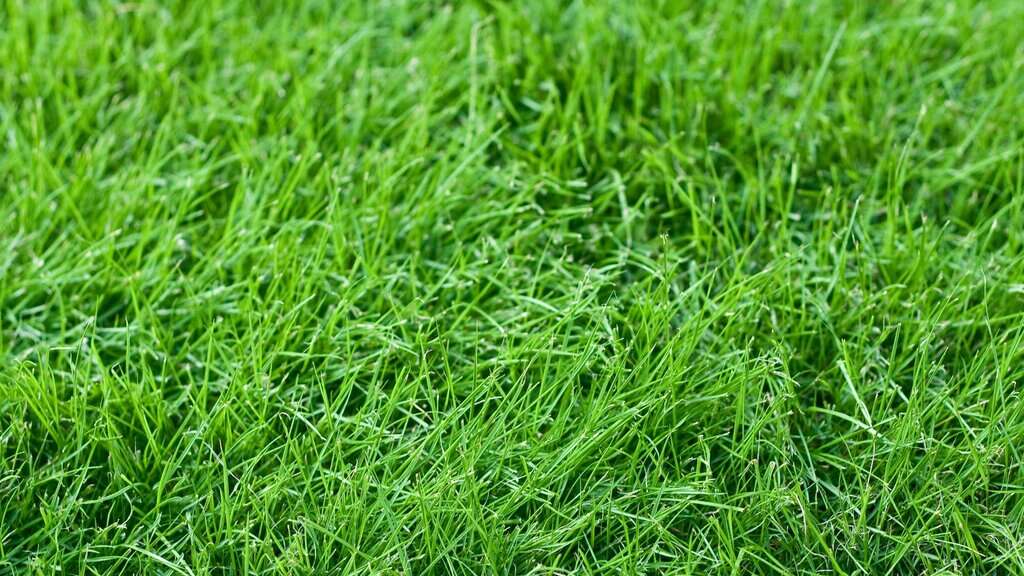
Fescue has multiple varieties that adapt well to specific needs, but it remains a cool-season grass popular in temperature and transitional climates.
If you want a low-maintenance, versatile lawn, its durability, shade, and drought tolerance will deliver.
Key Takeaways
- Fescue is a durable, cool-season grass ideal for temperate, transitional climates.
- Tall, fine, and creeping red fescue offer unique benefits for varied lawn needs.
- Plant fescue in early fall or spring to promote deep root establishment.
- Maintain tall mowing height, proper watering, and aeration for optimal growth
Fescue Grass Types
There are many fescue grasses, and they differ in characteristics and needs.
- Tall Fescue: It establishes deep roots and is low-maintenance, and highly tolerant of drought, heat, and foot traffic. It grows coarse clumps that form a thick, uniform lawn.
- Fine Fescue: Due to their fine texture and tolerance for shaded lawns and woodland settings, they have a more aesthetic than functional purpose. Fine fescue species include Chewings Fescue and Sheep Fescue.
- Creeping Red Fescue: A variety of fine fescue that spreads and fills in thin spots while helping with erosion control. It can also tolerate full sun in cooler climates, though it’s best suited for shady areas.
Fescue Grass Characteristics
Fescue grass grows most vigorously in spring and fall, particularly in cool climates, in a clumping growth habit. During the hotter months, its growth slows down (and it might go dormant), but it rebounds when temperatures drop.
- Its deep rooting allows it to access water well below the surface. It’s more tolerant to drought compared to other cool-season grasses.
- Though it prefers sunlight, it can thrive in partial or even full shade.
- Well-drained soils with a pH between 5.5 and 6.5 are ideal for fescue. But it can adapt to various soil types and conditions, including sandy, clay-heavy, and loamy soils.
Fescue Grass Planting and Maintenance
Here’s how to achieve a healthy, dense lawn with fescue.
Planting
Plant fescue in early fall, when soil temperatures are between 50°F and 65°F and rainfall is plentiful, to let it establish strong roots without the stress of summer heat. You can do the same in early spring; just ensure it’s long before the summer heat arrives.
Avoid nitrogen-heavy fertilizer applications in late spring. Being prone to disease, it will struggle with issues such as leggy growth and brown patches in hot, humid weather and nitrogen-rich soil.
Watering
Water lightly and thoroughly after planting to help the seeds settle. Keep the soil consistently moist for the first 2–3 weeks, then switch to deeper, less frequent watering (1–1.5 inches per week). In warmer months, water deeply every few days.
Mowing
Unlike other grasses, it’s best to leave fescue tall; the taller blades help shade the soil and retain moisture. It also protects the turf from heat stress. The ideal height is 2.5 to 4 inches.
Types resilient to foot traffic will compact over time, so aerate your lawn every fall or spring to relieve that soil compaction.
Are you envisioning a lush, resilient fescue lawn? We’ll bring it into reality. With the help of our experts at SunCo Lawns, we’ll help you plant, maintain, or improve your fescue grass. Contact us to get started.
Check Out These Terms!
- Clover Grass: Learn how a white-clover lawn can turn your lawn into an eco-friendly, gorgeous landscape.
- Indian Grass: Grow a wildlife-friendly prairie with the help of Indian grass. Learn how.
- Turf Grass: Discover what turf grasses are and how they can increase your lawn’s functionality.