


Key Takeaways
- Weeds hinder plant growth by competing for nutrients and harboring pests.
- Effective methods include mulching, tilling, raised beds, and drip irrigation systems.
- Manual techniques like pulling or boiling water complement advanced options like solarization.
- Combining strategies ensures long-term weed control while protecting vegetable crops.
Weeds are one of the greatest enemies when growing a vegetable garden. They prevent your plants from absorbing enough nutrients, harbor pests, and reduce the crops you can yield.
If you find it difficult to eliminate weeds, you can try one method or a combination of garden weed control strategies, from the simple to the laborsome.
15 Methods to Control Weeds in Vegetable Gardens
There are plenty of ways to eliminate weeds in your garden. Use one or more weed management methods to prevent and control them.
Till and Kill Before Planting
Tilling involves digging out the soil using a rake, hoe, pickaxe, or your hand. It helps uproot existing weeds and expose hidden weed seeds.
When removing the weeds from tilled soil, make sure to remove their seeds completely to avoid growth since sunlight can make them germinate quickly.
Because of this, it’s recommended to use this method before planting your vegetable garden to ensure that little to no weeds grow in the soil. You may also use this with an existing garden, but be careful not to harm the roots of nearby plants.
Consider Solarization
Solarization uses plastic to cover the soil bed and the natural heat from the sunlight or summertime to kill weeds before planting.
Here’s how you can apply this method:
- Thoroughly till or spade the soil and soak the area with three to four inches of deep water.
- Cover the soil with a clear, opaque, or black plastic.
- Hold the plastic down with rocks, wood, bricks, or other heavy items to trap the heat in the soil.
- Leave it for a month or two.
- Remove any debris and existing weeds.
- Once the soil is debris and weed-free, you may start planting.
Note that this method can’t completely eliminate weeds throughout the growing season, but it can give the vegetables a good head start to grow.
Consider using this method if you have a large vegetable bed and if you’re planting a late summer or early fall crop.
Create Raised Beds
Effectively eliminating weeds starts before planting your vegetables. One of the ways to prevent weeds from growing in your garden is by creating raised beds and permanent paths.
Building raised beds involves mounding the soil above ground level and enclosing it with wood, rocks, or bricks. Segmenting the soil also results in permanent pathways.
You can segment the beds using stones, wood, or cinder blocks. You can even just raise the soil to separate the mounds and make a pathway.
Besides reducing weeds, having raised beds requires less watering, makes it easy to grow and harvest root crops like carrots, and makes your vegetable garden look neat and tidy.
Use Soaker Hoses or Drip Irrigation Systems
A soaker hose is a hose with tiny holes throughout its length where low water pressure flows. It’s placed at the base of plants to effectively target the roots.
Meanwhile, a drip irrigation system is a series of flexible customizable tubes with tiny holes to drip water precisely onto the plant’s roots.
Either system is effective for controlling weeds because it directly waters plant roots, preventing you from watering weeds and their seeds.
Use a soaker hose if you want a simple irrigation system for small gardens. On the other hand, choose a drip system if you have small plants, a sloping landscape, or a large garden with multiple zones.
Don’t Dig the Soil Too Much
If you already have a vegetable bed, avoid digging the soil around to prevent the weed seeds from surfacing. Remember that soil usually carries weed seeds underneath, and digging can expose them to sunlight and lead them to grow.
If you need to dig the soil, don’t dig deeply and reduce soil disturbance using a small tool. Then, immediately cover the dug-up soil with mulch or plants to prevent any weeds from growing.
Space Plants Closely
You can reduce weed growth by placing your plants closer to each other. Putting them closer reduces the amount of sunlight hitting the soil, which lessens the possibility of growing weeds.
Be mindful of the recommended spacing for certain vegetables. But you can usually reduce the spacing to 25% of the recommended spacing. When the plants grow, there should still be enough space for the leaves to barely touch.
Avoid Watering Weeds
Weed seeds can grow near or around the plant, meaning they can also receive the same nutrients as your plant. Aside from sunlight, one way to deprive weeds of nutrients is by not watering them.
You can avoid watering them by using a soaker hose or drip irrigation system for precise watering. If you don’t have these systems, you can manually do it by pouring the water directly into the base of the plant. Also, avoid watering bare areas, water paths, and driveways.
Note that this method doesn’t entirely eliminate weeds, as some perennial weeds still thrive in dry conditions.
Pull Weeds
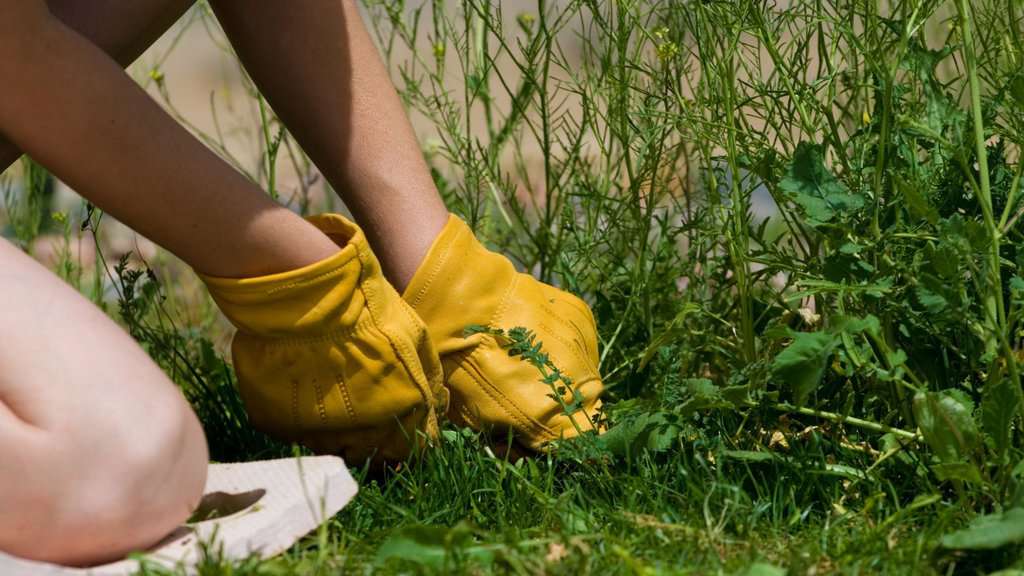
Although it’s manual labor, pulling weeds by hand is one of the most effective ways to reduce and eliminate them. Pulling uproots the entire weed plant and prevents further damage from nearby vegetable plants if you’re careful. Just ensure no roots are left within and on the soil surface.
Consider this method if you have a small area to work on or if your garden has little to no weeds. Ideally, combine this with other weed control methods to manage weed growth in your garden.
Cut or Mow
If it’s difficult to uproot weeds, you can cut off the top of stubborn perennial weeds or mow them down. Cutting or mowing stresses the weeds and reduces their ability to absorb nutrients, slowing their growth.
Although weeds can continue growing since they still have roots, cutting off the top will prevent them from spreading. This method effectively controls weeds in combination with other weed control strategies.
Place Organic Mulch on Top of the Soil
Mulches control weeds by covering the soil surface. It keeps the soil cool, moist, and sunlight-free, preventing weed seeds from growing.
Examples of an organic mulch include:
- Grass clippings
- Wood chips
- Shredded leaves
- Pine bark
- Straw
Place the mulch evenly on top of the soil, covering most of the ground. For organic mulches, aim for a layer of two to three inches deep. You may use this method on annual weeds like chickweed, perennials like quackgrass, and more.
Cover Soil with Fabric or Plastic
Besides organic mulch, there are also inorganic mulches, which include black plastics and weed barriers made of polypropylene or polyester fabric. You can also use a landscape fabric or weed-control fabric.
A landscape fabric is a textile material that prevents sunlight from reaching the soil. However, water and oxygen can still seep through, providing the plant nutrients.
When placing the black plastic or fabric material, ensure the soil is moist before putting it on top to avoid drying the ground. Also, don’t forget to cut holes to let the crop grow without obstruction. Use black plastic for weedy hills, flower beds, and vegetable patches during winter.
Covering crops with fabric or plastic is best for removing annual weeds.
Try Flame Weeding
Some home gardeners use handheld propane torches or commercial flame weeder devices to wilt and kill weeds and their seeds. It’s best to use this method for plants with enough spaces in between to avoid harming nearby crops.
Since this is a potentially dangerous method, have a professional do it to avoid accidents. If you can’t hire an expert for flame weeding, wear appropriate clothing to protect yourself and carefully follow the instructions on using the torch or flame weeder. Ultimately, always prioritize your safety.
Pour Boiling Water
Pouring boiling water is an effective way to wilt young, small weeds. Although it can’t completely kill the roots, this method makes it easier to remove or uproot young weeds.
However, only consider using this method if there are no nearby plants since the boiling water can also affect and wilt other crops.
For this method, boil water in a tea kettle to safely and precisely pour the water onto the weed. Pour as much hot water as possible until the weed wilts and dies. Deep-rooted plants will require several applications before they wilt.
Spray Herbicides
Many home gardeners refrain from using herbicides to avoid affecting their edible vegetable crops. However, they can still use it to prevent weed seeds from sprouting and supplement other weed control strategies.
Note that most herbicides are unsafe for vegetable plants. Federal law oversees the use of pesticides, so use government-approved herbicides and follow its instructions and restrictions carefully.
If you’re hesitant to use chemical herbicides, try organic herbicides, as they use natural active ingredients like acetic acid, citric acid, lemongrass oil, and ammonium nonanoate, among others.
Create a Homemade Weed Killer
If you’re wary of commercial herbicides, consider making your homemade weed killer using household ingredients like vinegar, table salt, and dish soap. One perk of creating your own mixture is that you know what goes into it.
You may use this to kill small or young weeds. However, it’s less effective for weeds with deep roots, as it only kills the leaves. Also, like other herbicides, avoid spraying the mixture near plants or crops to avoid damaging them.
Frequently Asked Questions
What’s the Most Effective Way to Control Weeds in Home Vegetable Gardens?
Covering your vegetable garden with mulch is one of the most effective ways to prevent weeds from sprouting since it stops weed growth. However, a combination of various methods helps with long-term weed control. Use the methods that are convenient and effective for you.
How Do Weeds Get Into the Garden?
Weeds can enter your vegetable garden from many sources, such as through the wind, compost, adjacent lawn, or bird deposit. Weed seeds may also already be present within the soil. Unfortunately, it can invade all types of gardens, so you must be ready to eliminate them when necessary.
Manage Weeds with the Right Help
Controlling weeds in your vegetable garden, lawn, or backyard is a long-term process since they can keep coming back. If you find managing them challenging, consider the help of a professional, like an Outdoor Specialist. Outdoor Specialists advise and implement the right weed treatment for your garden.
If you need help removing weeds in your garden, SunCo offers various specialized treatments catering to your garden’s condition to eliminate the presence of weeds and help you grow healthy crops. Feel free to ask SunCo’s Outdoor Specialists to learn how we can help.