


Key Takeaways
- Common purple-flowered weeds include Wild Violets, Creeping Charlie, and Purple Dead Nettle.
- Control methods include hand-pulling, selective herbicides, and pre-emergent treatments.
- Poor soil health, bare patches, and improper watering encourage purple-flowered weed
- Maintain dense grass, proper mowing, and healthy soil to prevent weed invasions.
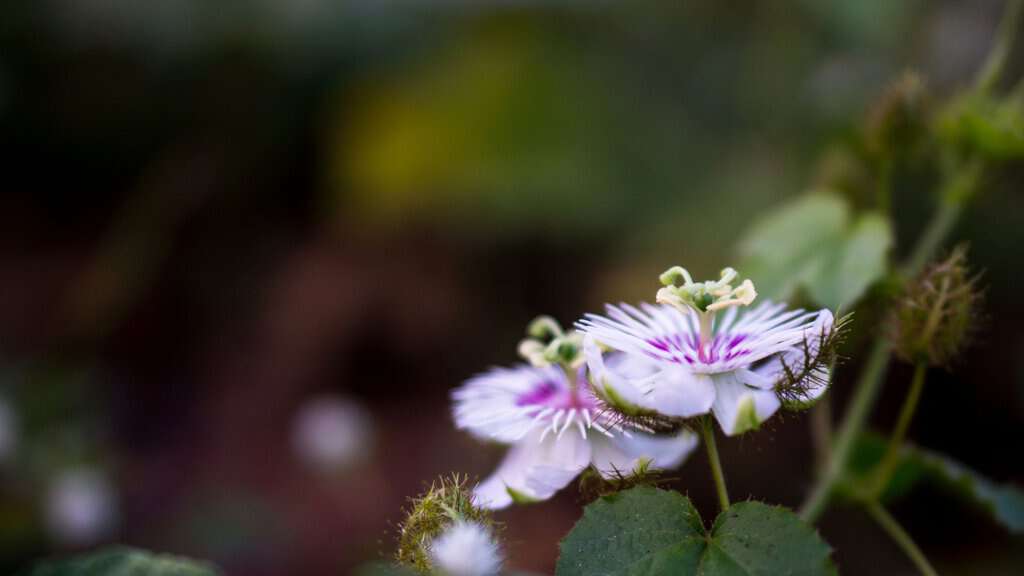
Weeds with purple flowers can be a beautiful sight in a field or a garden, but they can quickly become a nuisance when they invade your lawn.
They compete with grass and other plants for water, sunlight, and nutrients and can smother them altogether.
If left unchecked, they spread rapidly, forming unsightly patches, potentially damaging your lawn’s overall appeal.
The first step to controlling these weeds is identifying them. Come along as we review the most common weeds with purple flowers, how to recognize them, and the best strategies to control or altogether emanate for a beautiful, healthy lawn.
Common Types of Weeds With Purple Flowers
Here are some of the most common purple-flowered weeds and lawn care tips to help manage them.
1. Wild Violets (Viola sororia)
Wild violet is a perennial weed famous for its heart-shaped leaves and vibrant purple flowers.
Some people find these weeds charming because their flowers attract native bees and butterflies, and they are also used culinarily and medicinally.
However appealing as they may look, wild violets have a highly aggressive growth habit and will quickly overrun your lawn and choke out your desirable plants.
They form dense mats, outcompeting turf grass for resources, and if left unchecked, they will suffocate your lawn, leaving it patchy and uneven.
Control Tips: Wild violets spread through underground rhizomes, which can be tough to fight. Hand pulling is your best bet at eliminating the entire rhizome, though it can be tedious with larger infestations.
Alternatively, you can use broadleaf herbicides with triclopyr or dicamba in the fall when the plants start storing energy in their roots to get the best results.
2. Purple Dead Nettle (Lamium purpureum)
Purple deadnettle is an annual weed with square stems and fuzzy triangular leaves from the mint family.
Its purple leaves bloom in clusters, giving it a striking appearance often confused with that of henbit (Lamium amplexicaule).
Its name, dead nettle, refers to the fact that it doesn’t sting, unlike stinging nettles — a handy feature since some gardeners like to keep them around to attract bees and other pollinators.
However, caution is advised with purple dead nettle; it thrives in sunny and shaded areas and, if unchecked, will crowd out your other garden plants and grass.
Control Tips: If out of control, use pre-emergent herbicides in the fall to prevent new growth come spring. After the weeds take hold, use post-emergent herbicides with active ingredients like 2, 4-D to eliminate them.
If the infestation is small, you can hand-pull the plants before they set seeds.
3. Creeping Charlie (Glechoma hederacea)
Also known as ground ivy or ale hoof, creeping Charlie is a low-growing weed that spreads through creeping stems or stolons.
This weed produces small, purple funnel-shaped flowers and round, scalloped leaves. It thrives in the moist, shaded areas of your lawn or garden, quickly taking over patches with poor drainage or compacted soil.
Once established, ground ivy can be challenging to control because of its extensive root system and fast-spreading nature.
Control Tips: To make conditions less conducive to weeds, ensure popper drainage and reduce shade in your lawn. When you notice the weeds coming in, use postemergence herbicides with dicamba and triclopyr.
You can also manually remove the weeds, but this is only effective if you remove the entire root system. But this can be difficult with creeping Charlie’s stolons.
4. Purple Loosestrife (Lythrum salicaria)
This is a tall perennial weed with long spikes of small purple flowers. It’s highly invasive in poorly drained and waterlogged soils, where it rapidly spreads and takes over lawns and gardens.
Once established, purple loosestrife will overtake natural ecosystems, crowding out native species. In your garden, it will choke out your grass and ornamental plants and take over large sections of space.
Control Tips: Hand-pull young purple loosestrife plants before they flower and set seeds, and remove the entire root structure.
For more established infestations, use glyphosate-based herbicides over multiple applications to ensure optimal results.
Note: Exercise caution when using glyphosate herbicides near water bodies to avoid harming aquatic life.
5. Canada Thistle (Cirsium arvense)
The Canada thistle, or creeping thistle, is a perennial weed known for its spiny lobed leaves and clusters of miniature purple flowers.
It thrives in sunny, open spaces with well-draining soil and is often found in fields, pastures, and gardens.
This thistle weed spreads aggressively through a combination of seeds and an extensive root system; in fact, it’s considered one of the worst invasive weeds in North America.
Because this thistle is so competitive, it can quickly take over large areas of your lawn or garden, and its prickly leaves make it unpleasant to handle.
Control Tips: Cut or mow down the weeds regularly to curb their spread, and use selective herbicides such as glyphosate and 2,4-D during the weed’s active growth phase.
Most importantly, keep your lawn healthy and dense and avoid disturbing the soil where thistle seeds may be dormant.
6. Common Burdock (Arctium minus)
Common burdock is a biennial weed with large, dark green leaves and prickly purple flowers that turn into burrs that click to clothing, pets, and livestock spreading the seeds.
Burdock commonly grows in open, disturbed areas like pastures, roadsides, and garden edges where it can get full sun and nutrient-rich soil.
Burdock infestations can be a nuisance for homeowners and businesses because they tend to stick to clothing and pets.
The weeds also have large root systems, making them tough competitors for garden plants and grass.
Control Tips: Dig up the burdock plants before they flower, and be sure to remove their root systems to prevent regrowth. You can also apply broadleaf herbicides before they set seed in their second year.
7. Bull Thistle (Cirsium vulgare)
Bull thistle is a large biennial weed with spiny, prickly leaves and large purple flower heads that thrives in dry, sunny areas with well-draining soil.
This thistle weed is notorious for its sharp spines, which make it challenging to handle and an unending nuisance in lawns and gardens.
It’s not all bad with the bull thistle — it supports the ecosystem, providing nectar to bees, butterflies, and hummingbirds.
However, once it takes hold, it forms dense thickets, which can be tough to eliminate.
Control Tips: Bull thistles can be troublesome to pull by hand, so dig them up, including the roots, to curb their spread. Just be sure to wear gloves to protect against their sharp spines.
Alternatively, you can use selective herbicides during the weeds growing season in early summer to eliminate them.
But even then, regularly overseed and fertilize your lawn to maintain thick grass cover. This will prevent bare patches where thistle can take root.
8. Forget Me Not (Myosotis sylvatica)
Forget-me-nots are small, delicate weeds with star-shaped, bluish-purple flowers commonly considered ornamental. However, in the wrong conditions, they spread rapidly and became invasive.
The plants thrive in damp, shady areas such as gardens, woodland edges, and near ponds. They can quickly run wild, outcompeting other garden plants to form dense colonies.
Control Tips: Hand pulling is effective at controlling forget-me-nots, especially in early spring before the plants spread.
Just be sure to remove the entire root system. However, for large infestations, use broadleaf herbicides early in the season before flowering.
Finally, improve the drainage in your lawn or garden and reduce excessive moisture to create less favorable conditions for the plant.
If you use it as an ornamental plant, thin out overgrown areas regularly to prevent it from taking hold.
Why Do Purple-Flowered Weeds Appear in Your Lawn?
While weeds can be hardy and opportunistic, their presence is usually a sign that your lawn may not be as healthy as it could be. Here are some conditions that allow weeds to take root and tips to help prevent them.
Poor Soil Health
Lawns and gardens with compacted or nutrient-deficient soil create the perfect environment for growing weeds.
Often, these weeds have deep roots and are more tolerant of poor conditions than your turf grass, allowing them to outcompete even healthy grass.
To prevent this, aerate your lawn regularly to reduce soil compaction and improve drainage.
You can also apply organic compost or SunCo’s soil builder to improve your soil health and give your grass and other plants the nutrients they need to thrive.
Bare or Thin Patches of Grass
Weeds, especially those with fast-spreading root systems like Canada thistle and ground ivy, tend to invade bare or thinly covered areas.
They quickly fill the gaps, taking advantage of the open space and lack of competition.
Overseed your lawn regularly to fill bare patches and keep grass dense. This will crowd out any weeds and limit their ability to take root in your lawn.
Over Watering or Under Watering
Over-watering and under-watering can both create conditions where weeds thrive. For example, weeds like wild violet and creeping charlie will thrive in moist, shaded areas.
Similarly, bull thistle will flourish in drought-stressed lawns where the lack of water weakens grass.
To keep such weeds out, water your lawn deeply and frequently (about 1 inch of water per week). This will encourage deeper root growth in your grass and other lawn plants, making them less susceptible to weed invasion.
Mowing Too Low
Mowing your lawn too low can stress the grass and create the perfect opportunity for weeds to invade.
You see, short grass leaves more soil exposed to sunlight, promoting weed seed germination. It also weakens the grass and hampers its ability to outcompete weeds.
Keep your lawn mower set to a higher cutting height, perhaps about 3 to 4 inches. This will ensure plenty of shade over the soil, hindering weed seed germination.
Frequently Asked Questions
Is Creeping Charlie Bad for Your Yard?
Creeping Charlie can invade your turfgrass and prevent other plants from growing. However, it’s not all bad — its flowers are good for local ecosystems since they provide nectar for bees and other pollinators.
Which Weed With Purple Flowers is Considered Noxious?
Your specific location will determine whether a purple-flowered weed is considered noxious or invasive. For example, the bull thistle and Canada thistle are considered noxious in several states across the U.S.
Can I Leave Purple-Flowered in My Garden?
Generally, it’s best to remove these weeds, even if they seem visually appealing. Most purple-flowered weeds are invasive, with aggressive growth habits that will crowd out your garden and outcompete other plants.
Can I Control Purple Flowered Weeds Organically?
Yes, you can use natural methods such as hand-pulling, improving lawn health, and using mulch. However, these methods may take longer and require more effort. For best results, contact professionals like SunCo for expert advice on the best natural weed control strategies.
Reclaim Your Lawn From Purple Flowered Weeds Today
Weeds with purple flowers may bring unexpected beauty to your lawn or garden, but their aggressive nature and ability to spread can quickly turn them into a nuisance.
However, when you identify these weeds early and take the necessary preventive and weed control measures, you can effectively manage them and ensure a beautiful, healthy lawn.
For more lawn care tips on keeping your lawn free from unwelcome purple blooms and ensuring a healthy garden, get in touch with us at SunCo.